Alongside the core drivers of demand, the research tested a set of product ideas to gauge their appeal. Respondents were shown four concepts: trying jewellery on at home using augmented reality; browsing and buying a wider range online; a new generation of lighter, more contemporary 24 karat gold jewellery; and the ability to convert digital gold savings into a physical piece.
The strongest idea overall was “24 karat gold jewellery reinvented” – pure gold in lighter, more contemporary designs. It stood out as the most relevant idea to both women and men, and was the concept most likely to prompt a purchase when respondents were asked to choose between the ideas. Notably, it resonated more strongly with women who had bought for themselves recently and with men who had bought a gift recently than with those who had not, which suggests that innovation within gold itself is especially compelling to those already engaged with the category. The idea of browsing and buying a wider range online was the strongest runner-up.
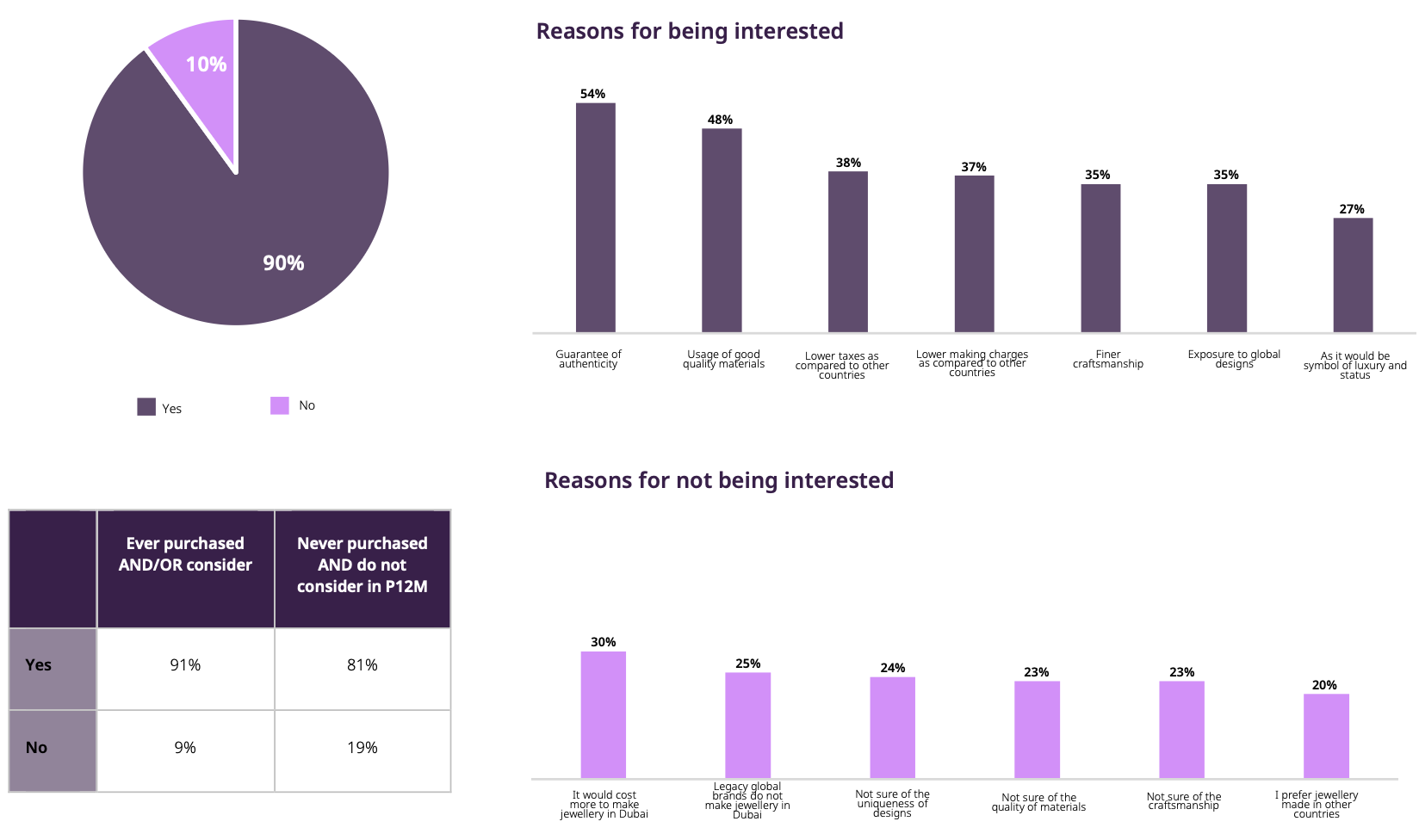
Chart 10: ‘Made in Dubai’ jewellery appeals to most women buyers, driven by perceptions of authenticity and quality; cost is the main barrier among those uninterested.
Interest in ‘Made in Dubai’ jewellery (for Women)
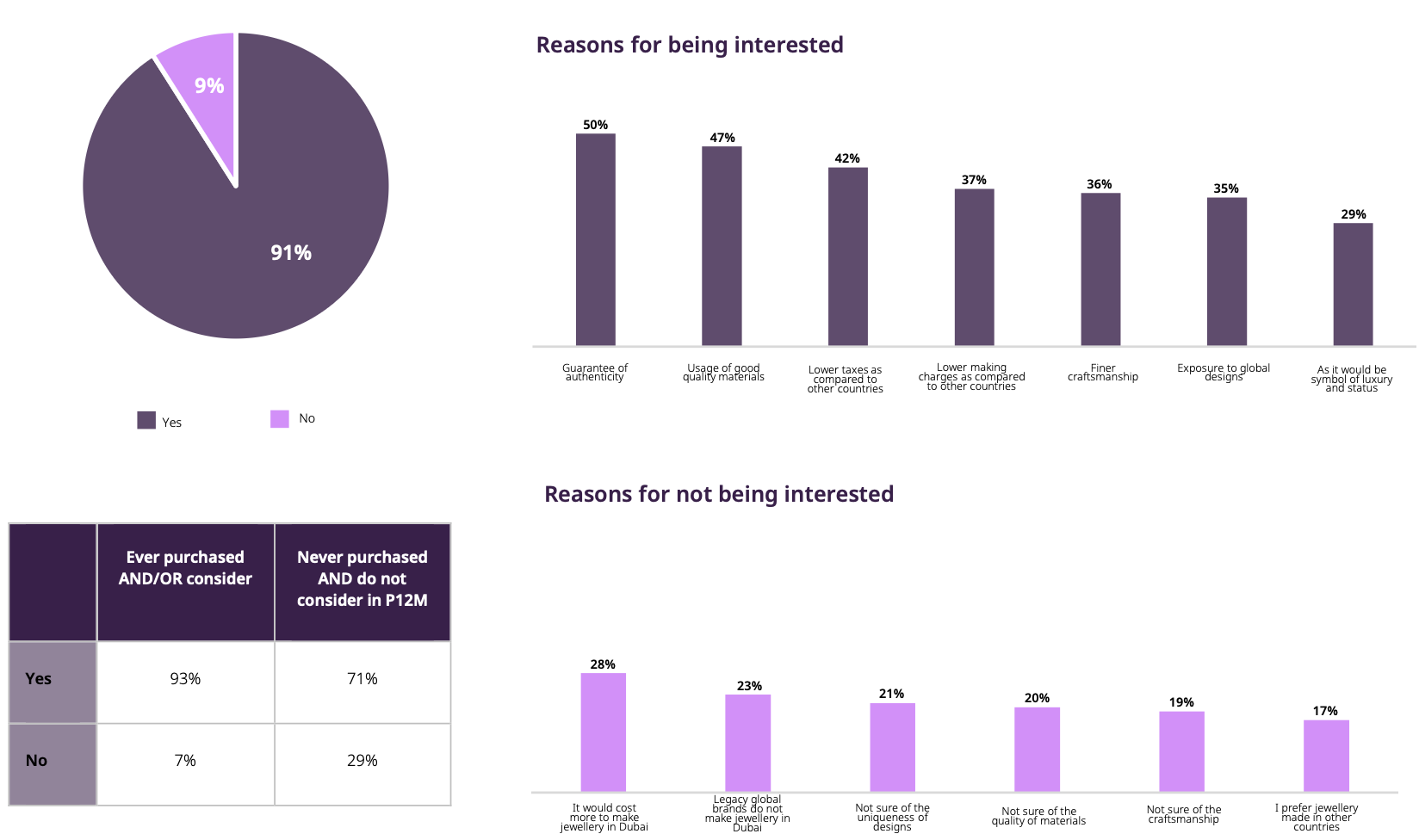
Chart 11: For men too, ‘Made in Dubai’ jewellery appeals to most, driven by perceptions of authenticity and quality; higher cost is the main barrier.
Interest in ‘Made in Dubai’ jewellery (for Men)
Separately, and earlier in the survey, residents were asked about their interest in buying “Made in Dubai” jewellery. Interest was near-universal, resonating with 90% of women and 91% of men, rooted in a belief that it signals authenticity and the use of high-quality materials; among the minority not interested, the main reservation was that it might cost more. The findings suggest that provenance and authenticity are meaningful cues for resident buyers, and that they connect naturally to the emphasis both residents and tourists place on quality and purity.
Tourists were not asked about “Made in Dubai” jewellery, so there is no direct evidence of its appeal to visitors. However, the tourist findings show that quality, purity and reputation are central to why visitors buy gold in Dubai. This suggests a possible connection: the authenticity and quality cues that make “Made in Dubai” attractive to residents align with the very qualities that already draw tourists to buy gold in the city. Any messaging that links the two should be framed as a reasonable hypothesis worth testing, not as a proven tourist preference.
A cautious assumption from these findings might be that two themes are worth exploring: innovation within gold itself, through contemporary design in high-purity gold; and provenance and authenticity, through cues such as “Made in Dubai”.