COP30: Reflections After the Dust Settles
11 December, 2025
After COP30 closed in Belém, Brazil, the sense of promise that surrounded this ‘Implementation COP’ (also referred to, somewhat optimistically, as the ‘COP of Truth’) was quickly tempered by reality. The final communique was, frankly, disappointing - ambitious language gave way to compromise, with the hoped-for clarity on fossil fuel phase-out remaining elusive.
That said, there were moments of genuine progress. The Belém Political Package introduced stronger framing on climate finance, adaptation metrics, and just transition. The concept of Mutirão - collective mobilisation - was woven into the UNFCCC agenda, signalling intent to unite efforts globally. Draft proposals to mobilise US$1.3 trillion annually by 2035 for adaptation and loss-and-damage were bold, even if binding commitments proved too contentious for many developed nations.
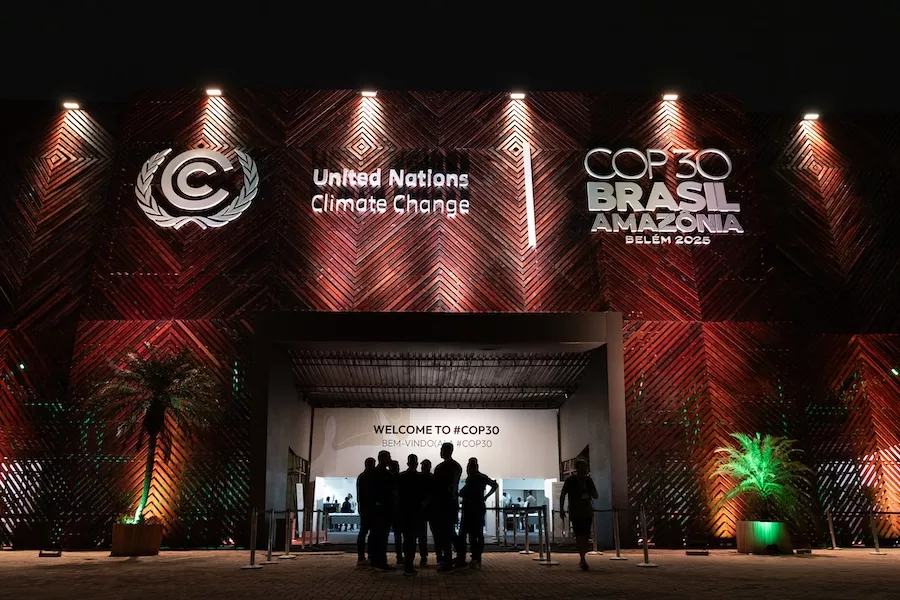
Photo: © UN Climate Change - Kiara Worth
Beyond the negotiating rooms, Brazil showcased its democratic vibrancy. Indigenous voices were not peripheral, they were central: a reminder that climate justice is inseparable from land rights and cultural survival. Protests were colourful and, at least from what I saw, peaceful. The whole local context helped reinforce the urgent need for action.
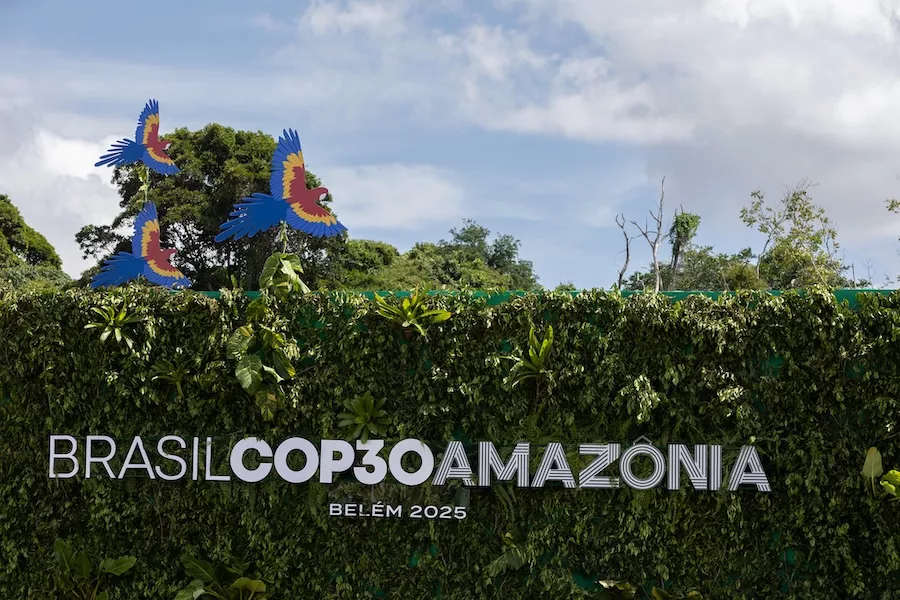
Photo: © UN Climate Change - Kiara Worth
For the gold industry, COP30 marked a significant point. Mining and metals are finally part of mainstream climate conversations, reflecting their role in enabling the energy transition. But those discussions also featured other aspects of our mission, as gold in a Brazilian context has significant connotations. Unfortunately, not all of them are positive. Leading up to COP, we hosted a multi-stakeholder roundtable in São Paulo highlighting the need to tackle the destructive impacts of unregulated artisanal gold mining - a challenge we at the World Gold Council are committed to addressing alongside our work on responsible practices across the gold value chain.
However, we also engaged in a number of meaningful discussions focused on positive solutions. With our partners at the World Climate Foundation, and an impressive group of speakers and delegates at the World Climate Summit, we were able to explore the potential contributions of responsible gold miners in delivering local energy transition and resilience strategies, whilst being very mindful of local communities and ecosystem welfare.
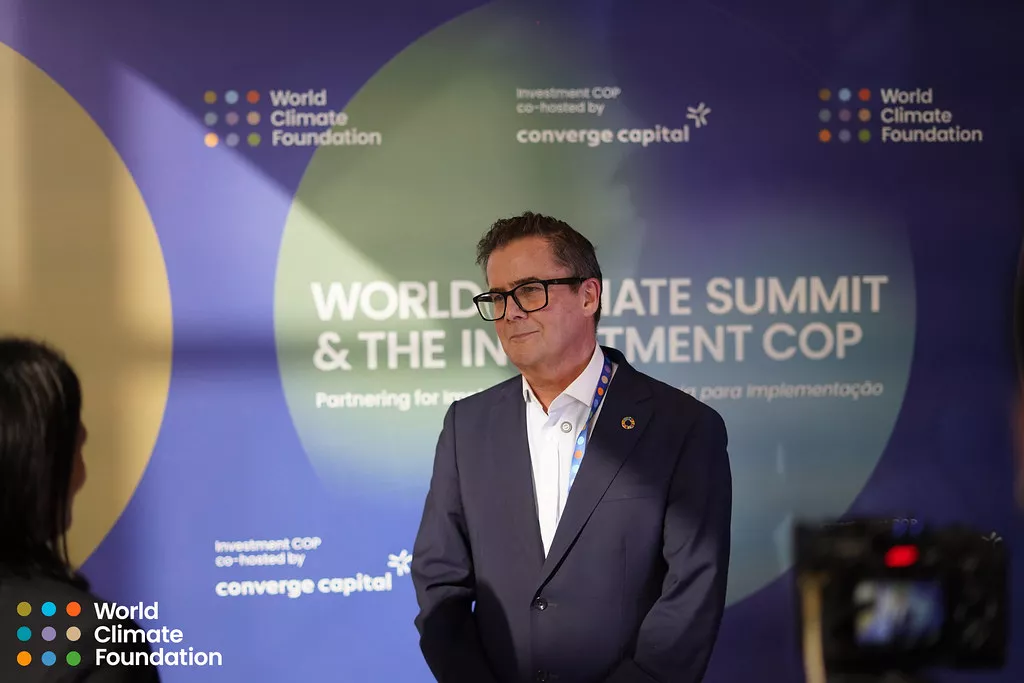
Photo: World Climate Foundation
Nature-based solutions and the socio-economic value of healthy ecosystems also gained significant traction in the conversations in Belém. Initiatives like the Tropical Forest Forever Facility offer innovative finance models to protect forests rather than exploit them - a reminder that safeguarding biodiversity is integral to climate resilience. Our recent research on this matter has opened the door to further consideration of the interconnectivity of climate and nature-related risks and impacts, and the possible role of gold in helping us shift to more ‘nature- positive’ scenarios.
Reviewing the outcomes of recent UN climate conferences, questions persist regarding the tangible achievements realised. Progress remains slow, and it is increasingly apparent that waiting for government action may not be a viable option. In many cases, responsible corporate actors - including those in the gold mining sector - will need to take the lead in driving meaningful change.
While ambition may have faltered in some corners, the risks and challenges continue to mount and our sector has the chance to lead by example - championing sustainability, transparency, and solutions that align with a low-carbon future. COP30 may not have delivered all we hoped for, but it reinforced one truth: the time for action is now.
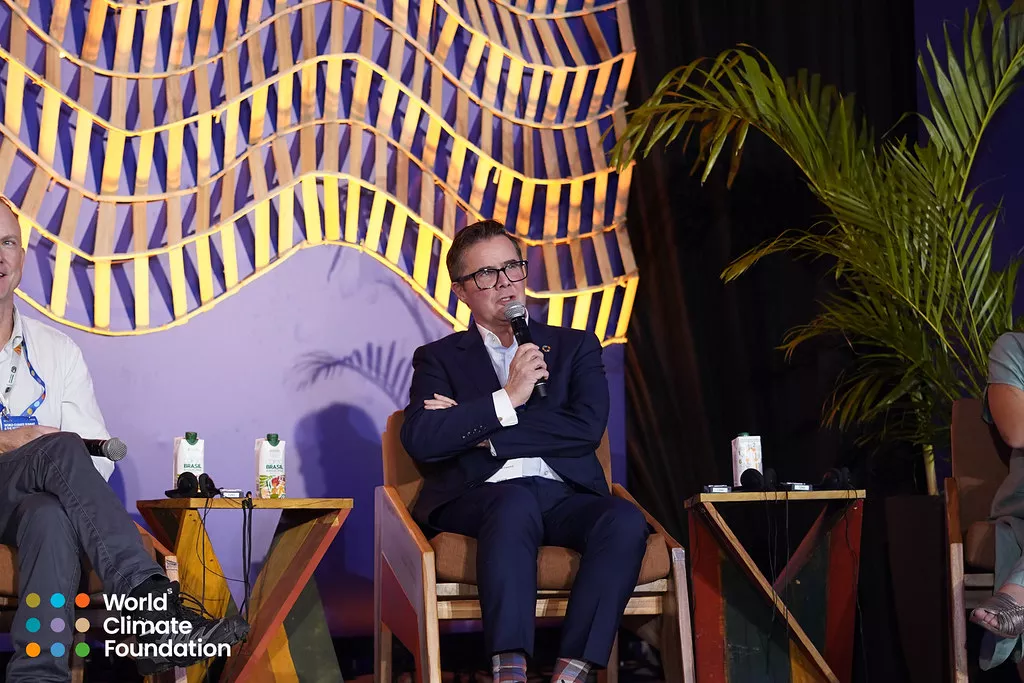
Photo: World Climate Foundation