Is Gold Jewellery A Good Investment?
Throughout history, gold has been treasured for its natural beauty and radiance. For this reason, many cultures have imagined gold to represent the sun.
Different Gold Colours
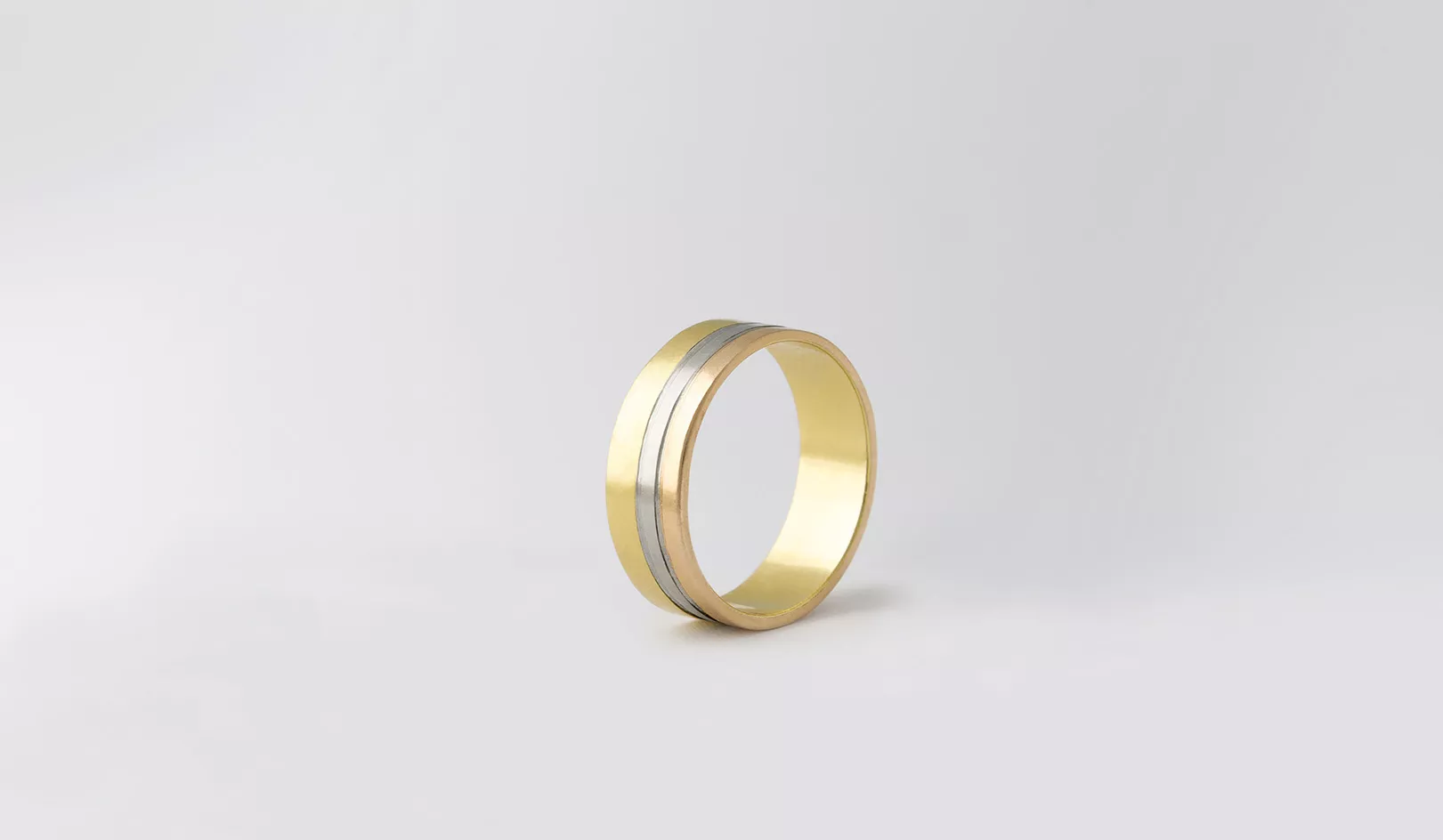
Yellow gold jewellery is still the most popular colour, but today gold is available in a diverse palette. The process of alloying—mixing other metals with pure 24 carat gold—gives malleable gold more durability, but can also be used to change its colour.
White gold is created through alloying pure gold with white metals such as palladium or silver. In addition it is usually plated with rhodium to create a harder surface with a brighter shine. White gold has become the overwhelming choice for wedding bands in the US.
The inclusion of copper results in the soft pink complexion of rose gold while the more unusual colours such as blue and purple can be obtained from the addition of patinas or oxides on the alloy surface. Black gold for example derives its colour from cobalt oxide.
Gold Carat
The weight of gold is measured in troy ounces (1 troy ounce = 31.1034768 grams), however its purity is measured in ‘carats’.
‘Caratage’ is the measurement of purity of gold alloyed with other metals. 24 carat is pure gold with no other metals. Lower caratages contain less gold; 18 carat gold contains 75 per cent gold and 25 per cent other metals, often copper or silver.
The minimum caratage for an item to be called gold varies by country. In the US, 10 carat is the legal minimum accepted standard of gold caratage, 14 carat being the most popular. In France, the UK, Austria, Portugal and Ireland, 9 carat is the lowest caratage permitted to be called gold. In Denmark and Greece, 8 carat is the legal minimum standard.
Gold Purity
Fineness is another way of expressing the precious metal content of gold jewellery, and represents the purity in parts per thousand. When stamped on jewellery, usually this is stated without the decimal point.
This chart shows some examples of the composition of various caratages of gold.
| Gold type |
Caratage |
Gold (Au) |
Silver (Ag) |
Copper (Cu) |
Zinc (Zn) |
Palladium (Pd) |
|---|---|---|---|---|---|---|
| Yellow | 9k | 37.5% | 42.50% | 20% | ||
| Yellow | 10k | 41.70% | 52% | 6.30% | ||
| Yellow | 14k | 58.30% | 30% | 11.70% | ||
| Yellow | 18k | 75% | 15% | 10% | ||
| Yellow | 22k | 91.70% | 5% | 2% | 1.30% | |
| White | 9k | 37.5% | 62.5% | |||
| White | 10k | 41.7% | 47.4% | 0.9% | 10% | |
| White | 14k | 58.30% | 32.20% | 9.50% | ||
| White | 18k | 75% | 25% (or Pt) | |||
| White | 22k | N/A | N/A | N/A | N/A | N/A |
| Rose | 9k | 37.5% | 20% | 42.5% | ||
| Rose | 10k | 41.70% | 20% | 38.3% | ||
| Rose | 14k | 58.30% | 9.2% | 32.5% | ||
| Rose | 18k | 75% | 9.2% | 22.2% | ||
| Rose | 22k | 91.7% | 8.40% |
Notes:
The alloying metal compositions above are typical of those used by the jewellery industry to arrive at the colour/caratage combinations shown, but these are not the only ways to arrive at these combinations.
White gold compositions listed here are nickel free. Nickel-containing white gold alloys form a small/very small percentage of white gold alloys and generally contain other base metals such as copper and zinc.
The following are the common standards of fineness that are used:
.375 = 9 carat (England and Canada)
.417 = 10 carat
.583 (.585) = 14 carat
.750 = 18 carat
.833 = 20 carat (Asia)
.999 (1000) = 24 carat pure gold
Strictly speaking, 14 carat should be 583 (14/24 = .583333), but most manufacturers have adopted the European practice of making 14 carat gold slightly over 14 carat. Thus, the fineness mark is 585 in most 14 carat gold jewellery.
Similarly, 24 carat should be 1.0 (24/24 = 1.00). However, in practice, there is likely to be a very slight impurity in any gold, and it can only be refined to a fineness level of 999.9 parts per thousand. This is stated as 999.9.
Accepted tolerances on purity vary from market to market. In China, Chuk Kam (which is Cantonese for ‘pure gold’ or literally ‘full gold’) still comprises the majority of sales and is defined as 99.0 per cent minimum gold, with a 1.0 per cent negative tolerance allowed.