Money and Gold
Gold has always played an important role in the international monetary system. Gold coins were first struck on the order of King Croesus of Lydia (an area that is now part of Turkey), around 550 BC.
They circulated as currency in many countries before the introduction of paper money. Once paper money was introduced, currencies still maintained an explicit link to gold (the paper being exchangeable for gold on demand).
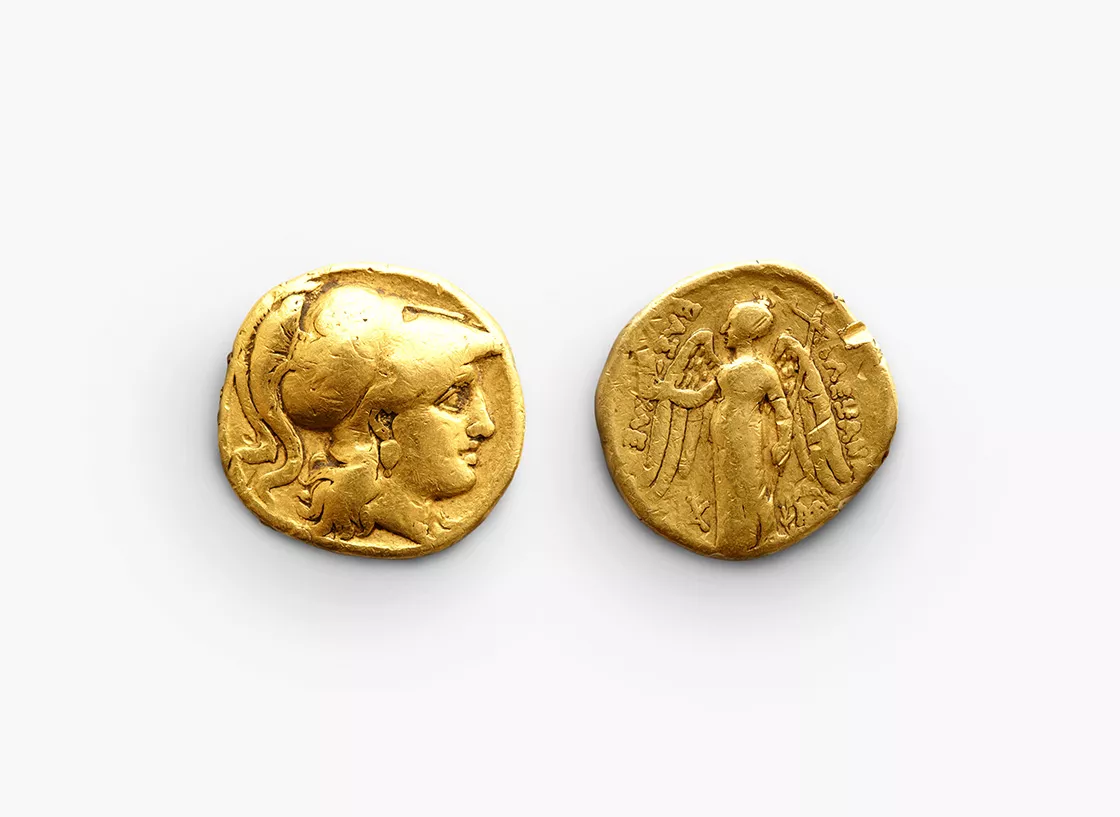
By the late 19th Century, many of the world’s major currencies were fixed to gold at a set price per ounce, under the ‘Gold Standard’ and this persisted in different forms for about one hundred years.
To aid further research by scholars, journalists and all those interested in gold’s monetary role, the World Gold Council commissioned a compilation of extracts from key historical documents from 1660 to 1999.
Citations are provided for every source so as to facilitate the reader's further research. These documents are therefore a valuable resource for researchers who seek even more in-depth knowledge of the history of money and gold.
Approximately 150 documents are divided into three sections that correspond roughly with the changing position of gold in the international economic system.
The Rise of the Gold Standard, 1660 - 1819
Covering the period from the mid-17th century through to the British Government's decision to allow the free exchange of paper, money and gold, and presenting documents, primarily from the UK, that relate to the establishment of gold coinage as the centrepiece of the British financial system. The documents contained here address four themes: the legal position of gold coinage; popular views of gold; technologies of gold coinage; and early theoretical evaluations of the gold standard.
1660. May 21.
Resolution of the House of Commons to prohibit the exportation of money and bullion from England.
1660. Dec 11.
1662. Dec 20.
'An Act to prevent the Inconvenience arising by melting the Silver Coin of this Realm'.
1663. May 19.
1663. Aug 1.
1664.
1666. Dec 20.
1667. Jun-Oct.
1672.
1674.
1676.
1690. Apr 9.
1690. May 8.
1690. Dec 6.
1691. Dec 30.
1692.
1694. Apr 25.
1695. Jan 8.
1695. Jul 3.
1695. Dec 10.
1695.
1696. Jan 17.
'An Act for Remedying the Ill State of the Coin of the Kingdom'.
1696. Feb 15.
1696. Feb 24.
1696. Apr 10.
1696. Oct 23.
'An Act for Importing and Coining Guineas and Half-guineas'.
1698. Sep 19.
1698. Sep 22.
c.1700
1701. Jan 20.
1701. Sep 28.
1702. Jul 7.
1705.
Excerpt from John Law's famous tract Money and trade considered
1710. Dec 31.
1717. Sep 21.
1717. Dec 22.
1717. Dec 31.
1718. Oct 20.
Memorandum containing Sir Isaac Newton's observations on the state of the gold and silver coins.
1720. Mar-Nov
1730.
1734.
Excerpt from Richard Cantillon's Essai sur la nature du commerce en général.
1735. various
1752.
1792. Apr 2.
1797. Feb 27.
Newspaper account of a Council decision to suspend cash payments by the Bank of England.
1797. Feb 28.
1797. Feb 28
Newspaper account of the suspension of cash payments by the Bank of England.
1810. Jun 8.
1811. Jul 9.
1812. Mar 20.
1816. May 31.
1819. Apr 5.
1819. May 19.
1819. May 21.
Representation of the Bank of England on the Expediency of resuming Cash Payments.
The Heyday of the Gold Standard, 1820 - 1930
Covering the period from the establishment of the UK gold standard in the early 19th century until the re-establishment of the gold standard after the First World War. Three themes are dealt with: the legal position of gold in the currency systems of the major western nations; political debates over the role of gold; and international agreements relating to gold. Continental European monetary arrangements are covered in this section, as are several major international agreements from the late 19th and early 20th centuries.
1833. Aug 29.
1834. Jun 27.
1834. Jun 28.
1844. Jul 19.
1849. Jul 13.
1866. Feb 6.
1866. Aug 6.
1868. Feb 18.
1869. Jun 28.
1870. Feb 10.
1873. Feb 12.
1875. Jan 14.
1876. Jul 5.
1878. Nov 27.
1884. May 2.
1885. Nov 6.
1886. Jan 7.
1888. Jan 30.
Letter from Mr. Alfred de Rothschild to the Chairman of the Gold and Silver Commission.
1888. Oct.
1889. Jul 9.
Coinage Act, 1889: 'A Bill, To amend the Coinage Act, 1870, as respects Light Gold Coins'. [UK]
1889. Aug 30.
Coinage Act, 1889: 'A Bill, To amend the Coinage Act, 1870, as respects Light Gold Coins'.
1896. Jul 9.
1900. Mar 14.
1914. Aug 6
1914. Aug 25.
1918. Aug 15.
1919. Jun 28.
1920. Nov 4.
1921. Apr 7.
1924. Aug 30.
1925. Apr 28.
1925. Apr 28.
1925. Jul.
John Maynard Keynes' "The Economic Consequences of Mr. Churchill".
1925. Aug 21.
1928. Jun 25.
1929. Dec 20.
1930. Mar 29.
After the Gold Standard, 1931 - 1999
Covering the period commencing with the breakdown of the post-WW1 gold standard in the 1930s and concluding with the Central Banks' Gold Agreement (Washington Agreement on Gold) of 1999. The documents follow four themes: the collapse of the gold standard; legislation, primarily from the US, relating to gold; the international gold market; and international agreements relating to gold. An account of some of the activities of the London gold market is included. The ultimate collapse of the Bretton Woods system is covered in great detail with numerous documents from various official sources.
1931. June.
1931. Sep 20.
1931. Sep 21.
1932. Jan 21.
1932. Jul 11.
1933. Mar 6.
1933. Mar 9.
1933. Mar 9.
1933. Mar 10.
1933. Apr 5.
1933. Apr 19.
1933. Apr 20.
1933. May 7.
1933. May 12.
1933. Aug 28.
1934. Jan 15.
1934. Jan 30.
1934. Jan 31.
1934. Jan 31.
1934. May 14.
1934. May 22.
Message of United States President Franklin D. Roosevelt to Congress on silver policy.
1934. Aug 9.
Presidential Proclamation (no. 2092) of Franklin D. Roosevelt to facilitate the coinage of silver.
1936. Sep 25 - Oct 13.
1936. Sep 27.
1936. Oct 5.
1936. Oct 7.
Report on the devaluation of the Italian lira, issued by the Overseas and Foreign Department.
1936. Oct 7.
Bank of England memorandum on the devaluation of the French franc.
1936 Oct 7.
Reuters news wire report, dated from Belgrade, on the likely adjustment of the Yugoslav dinar.
1936. Oct 28.
1936. Oct 28.
1937-1939
1939 March 21.
1939. Aug 31.
1940. Jun 26.
1940. Jun 26.
1940. Jul 19.
1944. Jul 22.
Articles of Agreement of the International Monetary Fund, 1944.
1947. Mar 11.
1949. Sep 19.
Memoranda concerning new gold prices as a consequence of the devaluation of sterling.
1949. Nov 1.
1953. Nov 9.
1954. Mar 19.
1965. Jun 12.
1965. Jun 16.
Discussion of Devaluation Strategy at the UK Treasury, 1965. Meeting notes, labeled 'top secret'.
1968. Jan 30.
Statement by Secretary Fowler before the Senate Banking and Currency Committee on legislation to